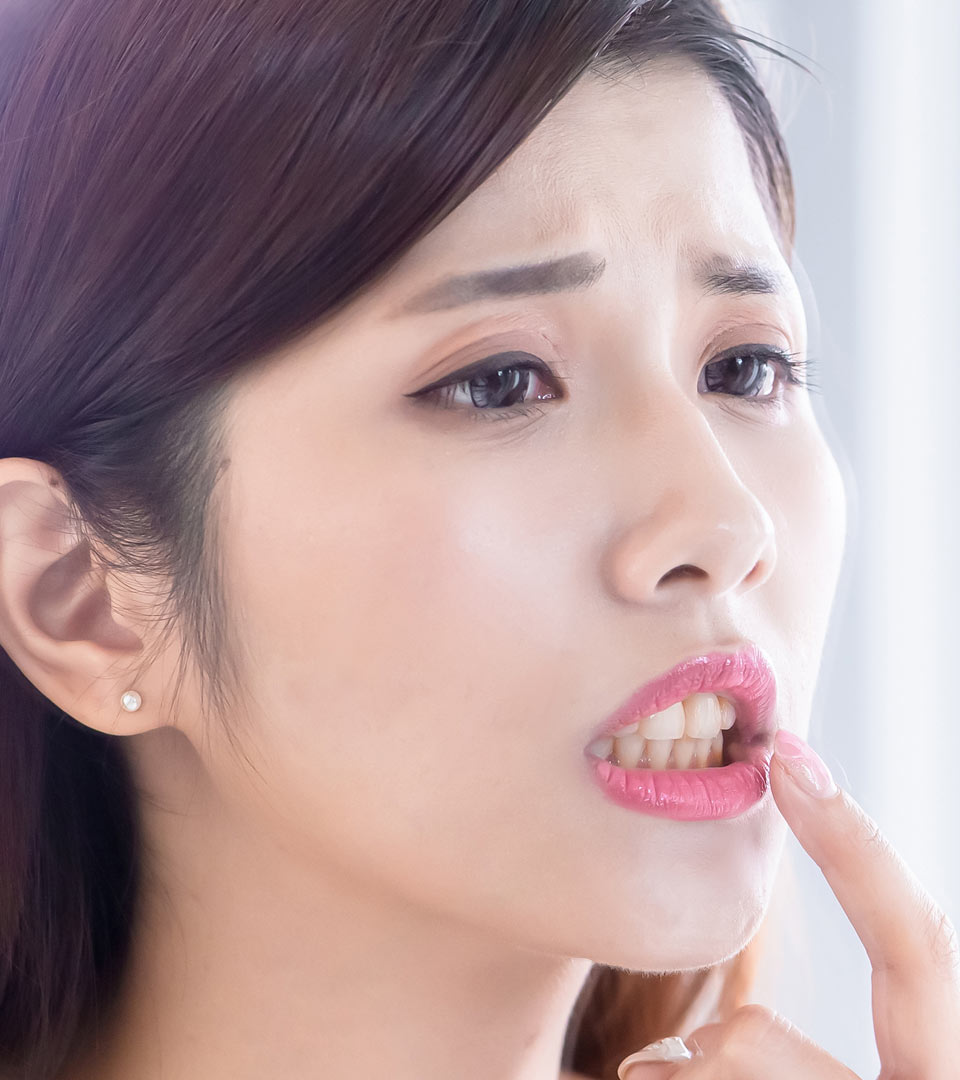
Unhappy with Smile in Bermuda
A CLOSER LOOK AT SMILE CONCERNS AND HOW WE CAN HELP
Many people feel self-conscious about their smile at some point in their lives. Whether your concerns relate to the appearance of your teeth, the condition of your gums, or a combination of both, even small imperfections can have a significant impact on confidence and everyday interactions.
At Signature Dental Aesthetics, we understand that every smile is unique. Our team takes the time to understand your concerns and help you explore options that can enhance both the health and appearance of your smile.
What Does It Mean to Be Unhappy with Your Smile?
Being unhappy with your smile can involve a single cosmetic concern or several issues that affect the overall balance and harmony of your teeth and gums.
Common smile concerns include:
- Worn or chipped teeth
- Misshapen or uneven teeth
- Gaps between teeth
- Stained or discolored teeth
- Missing teeth
- Crowded or misaligned teeth
- A gummy smile
- Dark or pigmented gums
- Old or failing dental restorations
Every smile is different, which is why understanding the underlying causes is an important first step.
What Causes Smile Concerns?
Changes to the appearance of the smile can occur for many different reasons, including natural ageing, injury, oral health conditions, and genetic factors.
Common causes may include:
- Everyday wear and tear
- Accidents or dental trauma
- Tooth loss
- Teeth grinding
- Gum disease and gum recession
- Natural variations in tooth shape and size
- Lifestyle factors such as diet and smoking
- Genetic influences on the teeth and gums
In many cases, several factors may contribute to the overall appearance of the smile.
The Impact of Smile Concerns on Your Smile and Your Confidence
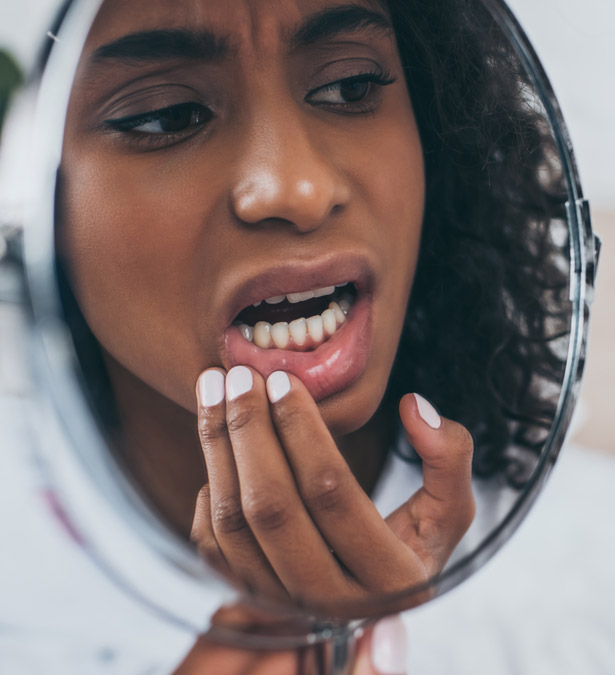
Feeling unhappy with your smile can affect much more than appearance alone. It can influence self-confidence, social interactions, and even the willingness to seek dental care.
Some people may experience:
- Reduced confidence when smiling or speaking
- Feeling self-conscious in photographs
- Avoiding social or professional situations
- Concerns about ageing or appearance
- Difficulty eating or speaking comfortably
- Anxiety about the condition of their teeth or gums
Addressing smile concerns can often improve both oral health and overall wellbeing.

Understanding Your Treatment Options
The most appropriate treatment will depend on the individual concerns affecting your smile. In many cases, a combination of treatments can help achieve the best long-term aesthetic and functional outcome.
Treatment options available at SDA may include:
- Composite or porcelain veneers
- Dental crowns
- Dental implants
- Implant-retained dentures
- Dental bridges
- Teeth whitening
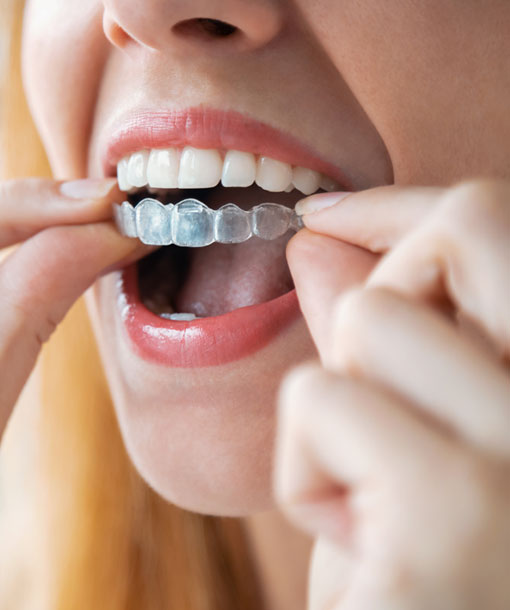
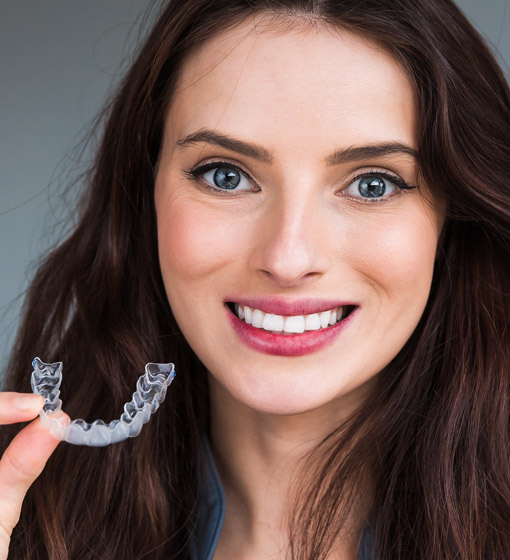
- Orthodontic treatment
- Gum grafting and periodontal care
- Gum bleaching
- Crown lengthening
- Wrinkle reduction injections for suitable gummy smile cases
A detailed consultation can help determine which options are most appropriate for your individual needs and goals.
Your Concerns, Our Expertise
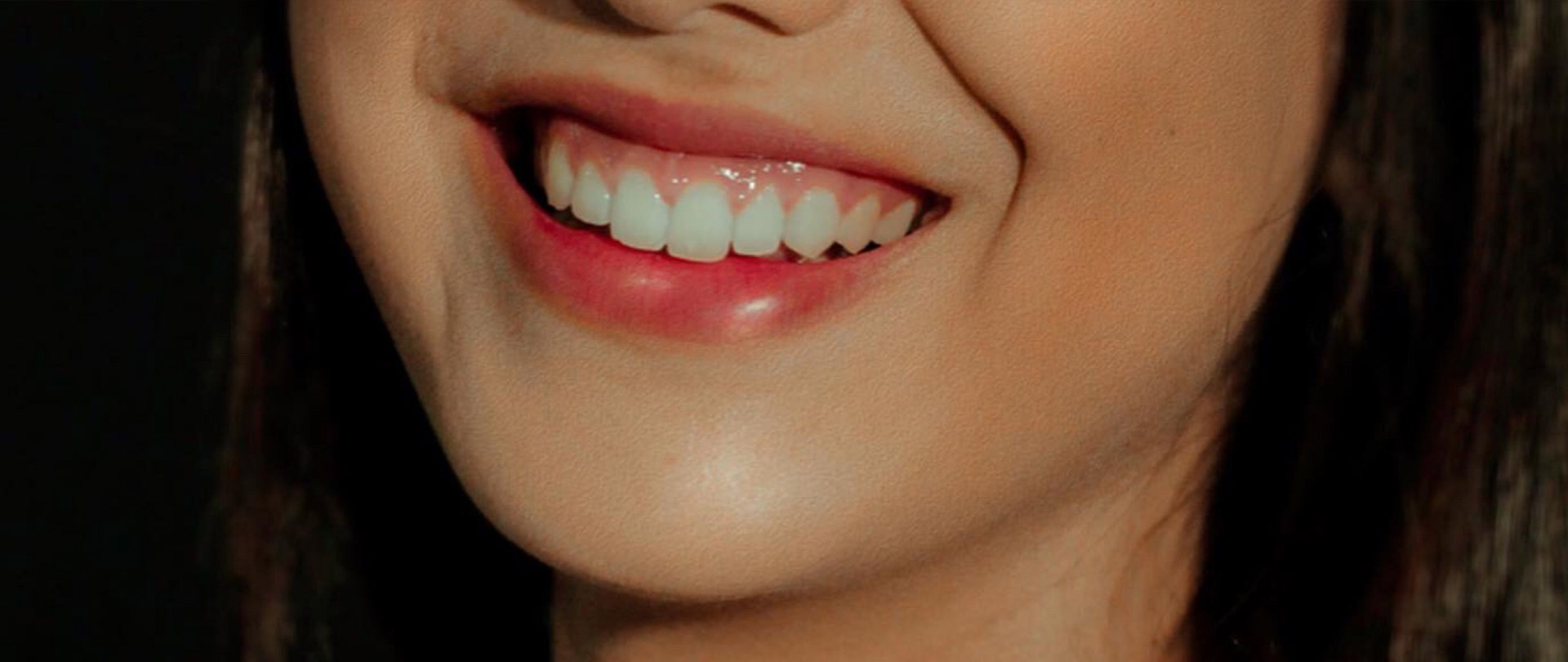
At SDA, we understand that no two smiles are the same. Our patient-centered approach allows us to create treatment plans that are tailored to your goals, whether you are looking to address a single concern or achieve a more comprehensive smile transformation.
Using advanced technology and a collaborative approach, we focus on helping patients feel informed, comfortable, and confident throughout their treatment journey.


Take The First Step
Towards a Smile You Can Feel Confident About
If you are unhappy with the appearance or health of your smile, our team is here to help you understand your options and guide you towards the treatment approach that is right for you.


Related treatments
The following treatment options may be recommended to address this concern. If you have any questions or would like further information, our team is always happy to help – please don’t hesitate to get in touch.